Collect recent bills
Monthly units, bill amount, tariff and daytime consumption indicate the capacity worth assessing.
Powering India's clean-energy transition
 Get Quote Free consultation ↗
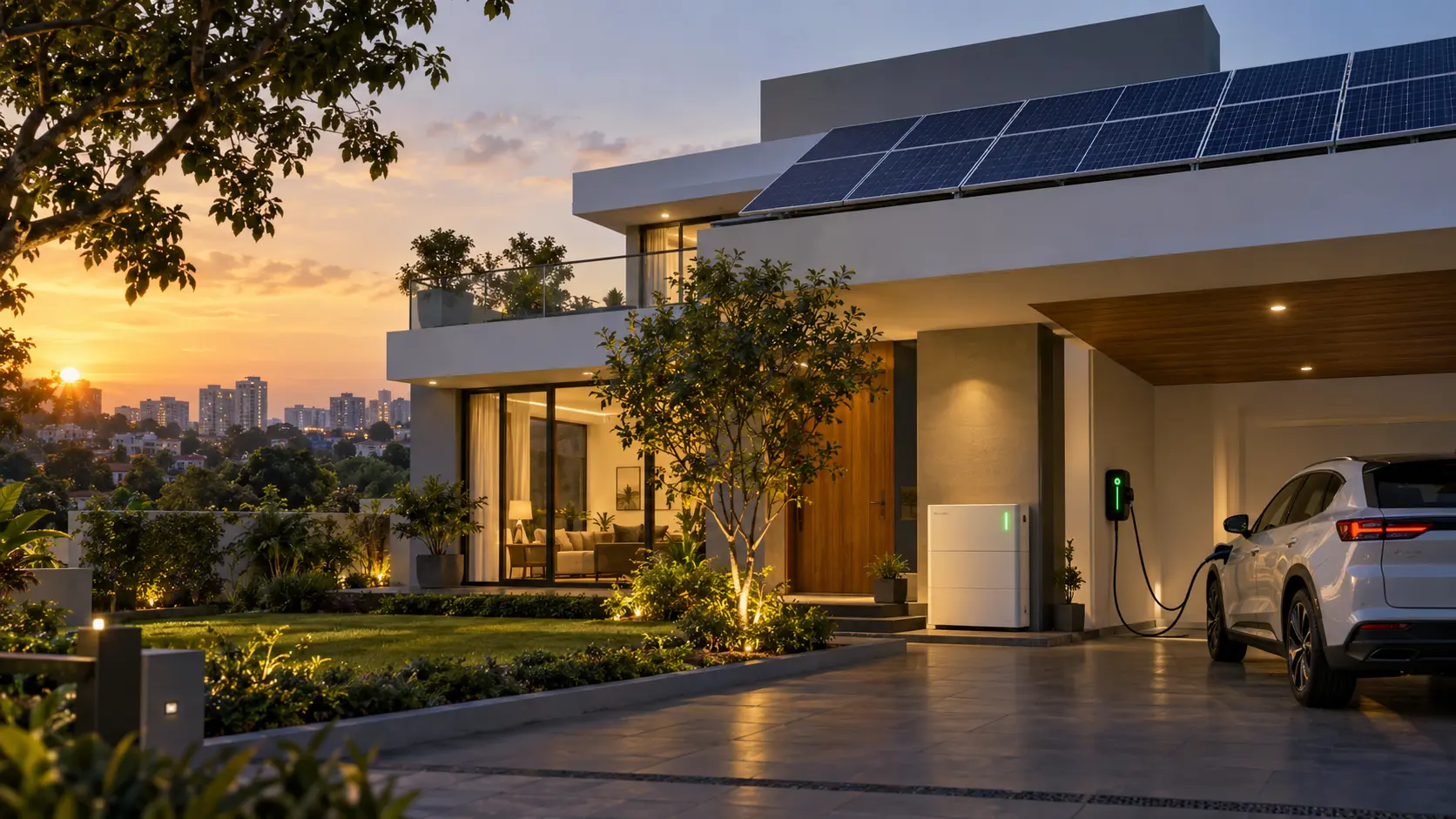
Practical guidance to help you prepare for useful conversations about solar, EV charging and battery storage.
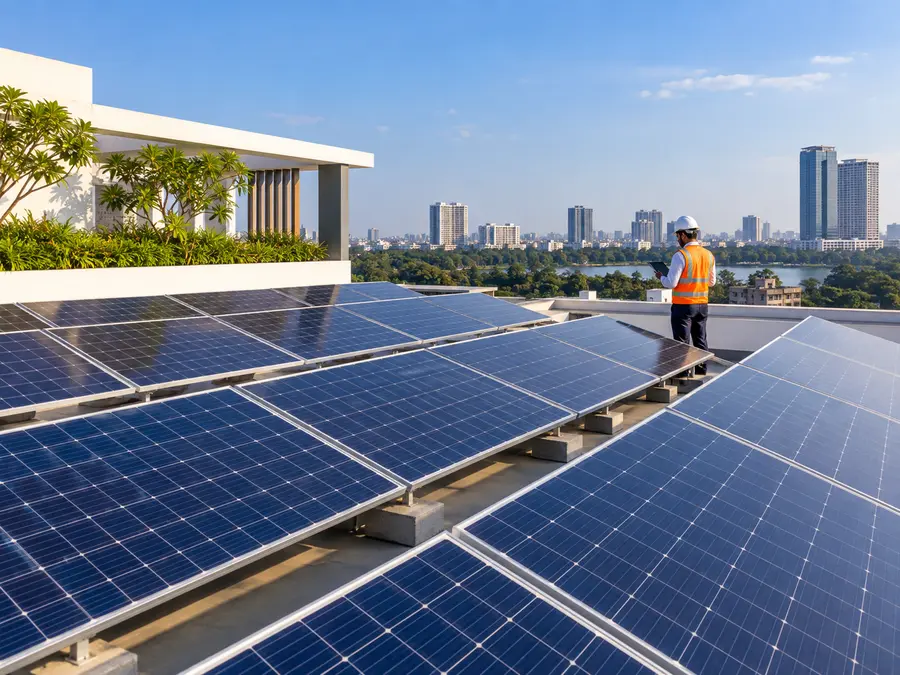
Understand how electricity use, available area and connection details influence planning.
Read the guide ↓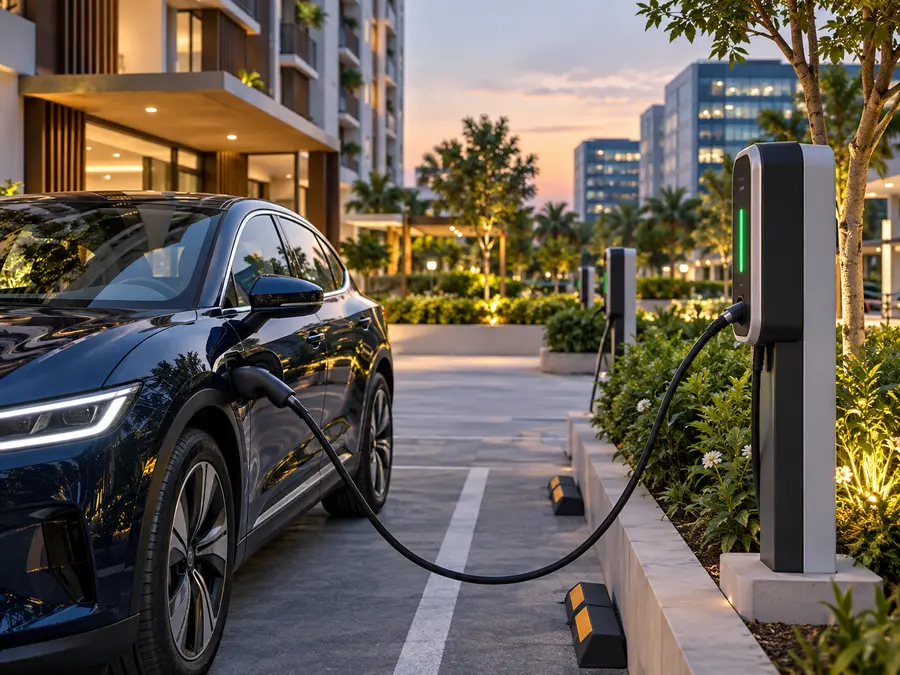
Prepare the vehicle, parking, cable route and electrical details needed for assessment.
Read the guide ↓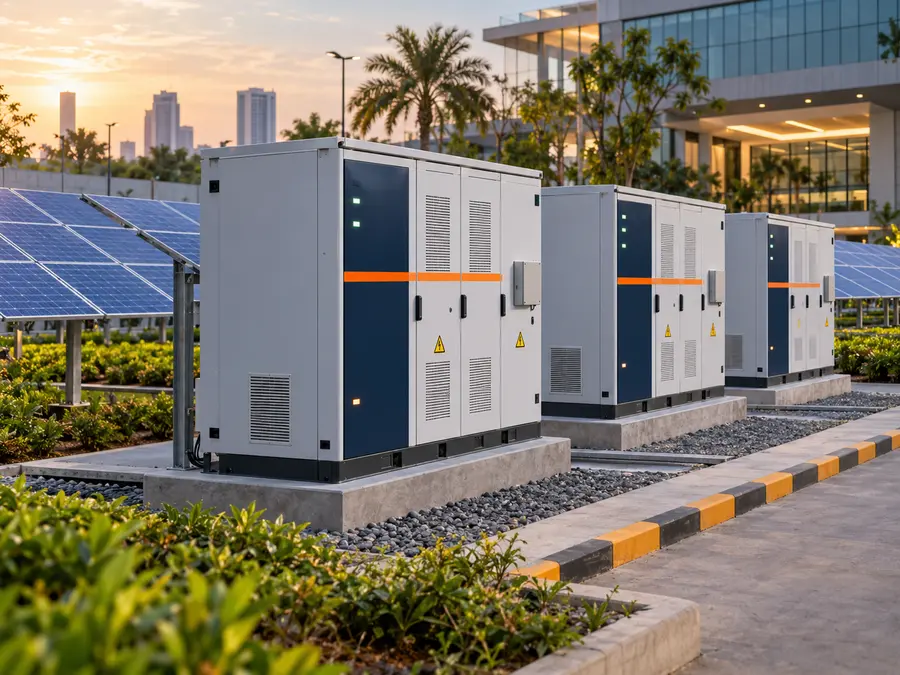
Define the loads, backup duration and integration needs that determine a suitable design.
Read the guide ↓Understand how electricity use, available area and connection details influence planning.
Estimate solar opportunity ↗Monthly units, bill amount, tariff and daytime consumption indicate the capacity worth assessing.
Orientation, shade, structure, access and obstructions affect the practical module layout.
Supply type, sanctioned load, meter arrangement and existing panels influence design.
Bill reduction, future EV charging or backup needs may change the architecture.
Prepare the vehicle, parking, cable route and electrical details needed for assessment.
Explore EV charging ↗Model, connector, battery size and onboard limit determine usable charging power.
Typical distance and available charging window shape the requirement.
Location, panel distance, access and weather exposure need review.
Connected load, phases, protection and load management must be considered.
Define the loads, backup duration and integration needs that determine a suitable design.
Explore battery storage ↗Identify what must operate during an outage.
Backup hours and load help estimate usable energy capacity.
Motors and pumps may require higher starting power.
Solar, inverter architecture and electrical conditions affect integration.
Power capacity at a particular moment.
Energy generated, consumed or stored over time.
A solar system connected to the electricity grid.
A system designed to coordinate solar, grid and battery storage.